
How Much Does Mobile Crane Hire Cost in Sydney?
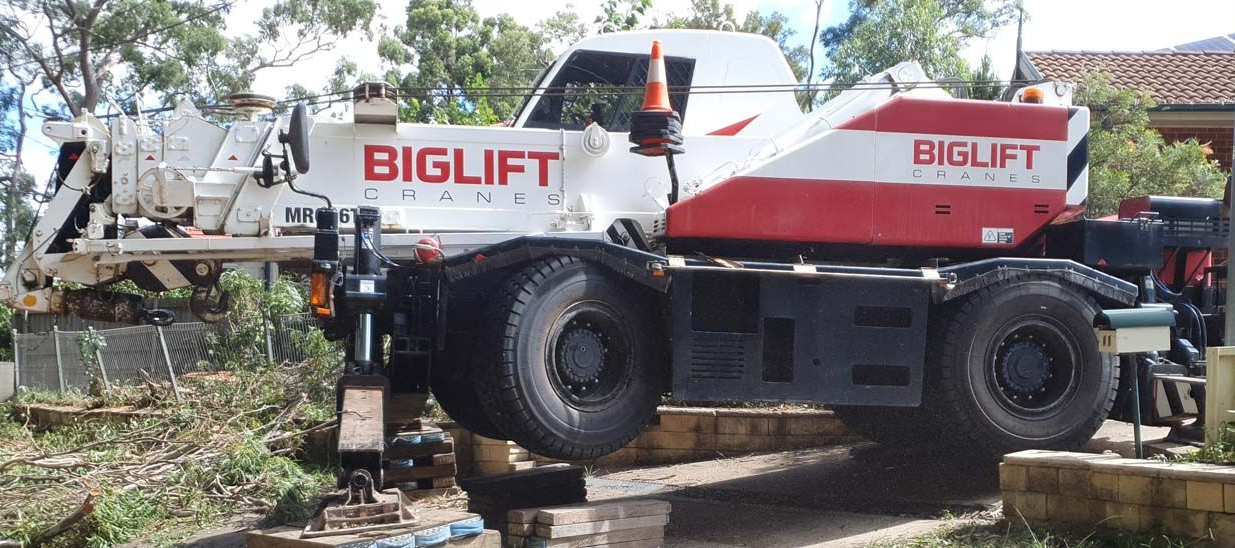
If you're planning a construction project, installing a swimming pool, moving heavy machinery, or lifting equipment onto a roof, one of the first questions you'll probably have is: how much does mobile crane hire cost in Sydney?
As a general market guide,
mobile crane hire in Sydney can start from around $170 to $250 per hour for smaller cranes and exceed $1,000 per hour for larger all-terrain or heavy-duty cranes.
Daily hire can range from around $1,200 to $3,500 or more, while larger or more complex projects can cost more depending on the crane, lifting requirements, site conditions, and hire duration.
These figures are indicative only. Most crane hire projects are quoted individually because the final cost depends on the specific requirements of the lift.
Key Takeaways
- Mobile crane hire in Sydney can range from around $170 per hour for smaller cranes to $1,000+ per hour for larger cranes.
- Daily hire can range from around $1,200 to $3,500+, depending on
crane type and project requirements.
- Crane type, load weight, lifting radius, site access, hire duration, and additional equipment can all affect the final cost.
- A heavier load does not always require a more expensive lift. Lifting distance and site conditions can also affect crane selection.
- Providing clear project details and site photos can help a crane company recommend suitable equipment and prepare a more accurate quote.
Want an exact price for your lift?
Every job is different, so the fastest way to get a real number is a quote based on your load, reach and site access. Get a free quote or call 1300 024 454.
Typical Mobile Crane Hire Costs in Sydney
The following figures provide a general market guide for mobile crane hire in Sydney. Actual prices vary depending on the project and the requirements of the lift.
| Crane Type | Indicative Hire Cost |
|---|---|
| Smaller mobile cranes | $170–$250 per hour |
| Franna cranes | $170–$250 per hour |
| 25–60 tonne mobile cranes | $220–$350 per hour |
| Larger all-terrain cranes | $350–$600+ per hour |
| Heavy-duty cranes | $500–$1,000+ per hour |
| Mobile cranes, daily hire | $1,200–$3,500+ per day |
| Larger all-terrain or heavy-duty cranes | $3,500–$7,500+ per day |
These are indicative market ranges, not fixed BIGLIFT CRANES prices. The final cost can depend on the crane capacity, lifting distance, site access, travel requirements, hire duration, and any additional services or equipment required.
For an accurate price, you'll need to provide details about your project so the appropriate crane and equipment can be determined.
What Affects Mobile Crane Hire Costs?
Several factors can affect the final cost of mobile crane hire in Sydney.
1. The Type and Size of the Crane
The type and size of crane required is one of the biggest factors affecting the cost of a lift.
Smaller cranes may be suitable for residential projects and lighter loads, while larger mobile and
all-terrain cranes
may be required for structural steel, heavy machinery, precast concrete, rooftop equipment, and commercial construction.
Larger cranes can cost more because they may require additional transport, setup, counterweights, equipment, and lift planning.
However, choosing the largest crane available is not necessarily the most cost-effective option. The right crane should match the load, lifting radius, access conditions, and other requirements of the job.
2. Load Weight
Many people assume that the weight of the load is the biggest factor when
hiring a crane. While load weight is important, it is only one part of the equation.
A heavier load may require a crane with greater lifting capacity, but load weight is not the only consideration. The crane must also be able to safely handle the load at the required lifting distance.
For example, a crane may be able to lift a particular load when positioned close to it but require greater capacity if the same load needs to be lifted from a greater distance.
3. Lifting Radius
The lifting radius is the horizontal distance between the crane and the location where the load needs to be placed.
As the lifting radius increases, the crane's available lifting capacity decreases. This means a larger crane may be required even when the load itself is relatively light.
For example, lifting an air conditioning unit onto the front of a single-storey building may require a smaller crane than lifting the same unit over a two-storey home and into a narrow backyard.
Providing the pickup location, placement location, and approximate lifting distance can help the crane company determine the appropriate equipment.
4. Site Access and Ground Conditions
Site access can have a significant impact on both crane selection and the overall cost of a lift.
Common access challenges include:
- Narrow driveways
- Tight backyards
- Uneven or soft ground
- Overhead power lines
- Low-hanging trees
- Busy roads
- Nearby buildings
- Limited crane setup space
Restricted access may prevent a crane from being positioned close to the lifting area. This can increase the lifting radius and potentially require a larger crane.
Ground conditions also need to be considered when determining where and how the crane can be positioned.
Providing site photos early can help identify potential access issues before the job is scheduled.
5. How Long You Need the Crane
How long you need the crane can also affect the final quote.
Some residential lifts can be completed relatively quickly, while commercial construction projects may require a crane for a full day or several days.
Depending on the crane hire company and project, the hire period may include:
- Travel time
- Crane setup
- Lifting time
- Packing up
- Return travel
- Waiting time
Minimum hire periods may also apply. Waiting time can become an additional cost if materials have not arrived, access is blocked, or other trades are still working in the lifting area.
Having the site prepared before the crane arrives can help minimise delays and unnecessary downtime.
6. Additional Equipment and Personnel
Not every crane lift requires the same equipment or level of support.
Depending on the project, additional requirements may include:
- Dogmen or riggers
- Traffic controllers
- Spreader bars
- Lifting frames
- Specialised lifting attachments
- Council permits
- Road occupancy approvals
For example, lifting structural steel on a busy construction site may require more planning, personnel, traffic management, and equipment than placing a spa in a residential backyard.
These requirements can affect the overall cost of the project.
How to Get an Accurate Mobile Crane Hire Quote in Sydney
Because mobile crane hire costs depend on the requirements of each lift, most projects are priced individually rather than using one fixed rate.
The easiest way to get an accurate quote is to provide the crane hire company with clear information about your project, site, and lifting requirements.
1. Provide Your Project Details
When requesting a quote, provide as much information as possible, including:
- Project address
- What needs to be lifted
- Approximate load weight
- Load dimensions, if known
- Pickup location
- Placement location
- Approximate lifting distance or radius
- Preferred hire date and duration
- Site access conditions
- Any known obstacles or restrictions
- Photos of the site and lifting area
You do not need to know which crane you need. The crane company can use these details to assess the lift and recommend suitable equipment.
2. Send Site Photos
Site photos can help the crane company understand the lifting conditions before preparing a quote.
Useful photos can show:
- Street access
- Driveways
- Crane setup area
- Lifting area
- Surrounding buildings
- Trees and other obstacles
- Overhead power lines
For more complex projects, a site inspection may also be required to assess access, ground conditions, crane positioning, and other lifting requirements.
3. Ask What Is Included in the Quote
When comparing crane hire quotes, check exactly what is included.
Depending on the project, a quote may include or separately charge for:
- Crane and operator
- Travel or transport
- Setup and pack-up
- Additional crew
- Dogmen or riggers
- Rigging equipment
- Traffic control
- Permits
- Specialised lifting equipment
Understanding what is included helps you compare quotes based on the total project cost rather than the hourly crane rate alone.
4. Contact the Crane Hire Company
Once you have your project details ready, you can
contact the crane hire company
by phone or through its online enquiry or quote form.
For straightforward lifts, the information you provide may be enough for an initial quote. More complex projects may require additional information, a site assessment, or further lift planning before the price can be confirmed.
Providing complete information from the beginning can reduce back-and-forth and help the crane company recommend the right equipment for the job.
How to Avoid Unnecessary Crane Hire Costs
The cheapest crane is not always the cheapest solution.
Choosing equipment that is too small can result in delays, additional mobilisation costs, or the need to reschedule the lift. Selecting suitable equipment from the beginning can help the project run more efficiently.
Choose the Right Crane
The right crane should match the load, lifting radius, site access, and ground conditions.
Using unsuitable equipment can lead to delays or additional costs, so it's important to assess the lifting requirements before booking.
Prepare the Site Before the Crane Arrives
Make sure the access route, crane setup area, and lifting zone are ready before the scheduled arrival.
Materials should also be ready to lift, and other trades should be clear of the work area wherever possible.
This can help reduce waiting time and keep the lift on schedule.
Book Early Where Possible
Booking in advance gives you more flexibility when choosing the crane and preferred lifting date.
This can be particularly important for larger construction projects and busy periods when crane availability may be limited.
Does the Cheapest Crane Hire Quote Offer the Best Value?
Price is naturally one of the first things people compare when requesting crane hire quotes.
However, the cheapest quote is not always the best value.
An
experienced crane hire company
should consider the load, lifting radius, site access, ground conditions, and overall requirements before recommending equipment.
When comparing quotes, look at what is included rather than comparing the headline hourly rate alone.
Check whether the quote includes items such as:
- Crane and operator
- Travel or transport
- Setup and pack-up
- Additional crew
- Rigging equipment
- Traffic control
- Permits
- Other project-specific requirements
Understanding what is included can make it easier to compare quotes accurately.
Get a Fixed Price for Your Lift
Whether you're installing a swimming pool, placing structural steel, relocating heavy machinery, lifting rooftop equipment, or handling construction materials, the right crane depends on the requirements of the job.
Homeowners, builders, contractors, and commercial clients across Sydney rely on BIGLIFT CRANES for mobile crane hire in Sydney, with cranes from 16T to 130T available 24/7.
Each project is assessed based on factors such as the load, lifting radius, site access, ground conditions, and required equipment. This helps determine suitable equipment before the lift takes place.
Need a firm price? Contact our team with your project details, lifting requirements, and site photos, and we will recommend the right crane for your job.
Frequently Asked Questions
How much does mobile crane hire cost in Sydney?
Mobile crane hire in Sydney can start from around $170–$250 per hour for smaller cranes and exceed $1,000 per hour for larger all-terrain or heavy-duty cranes.
Daily hire can range from around $1,200 to $3,500+, while larger or more complex crane hire can cost more.
These are indicative market ranges. Your actual quote will depend on the crane required and the details of your project.
How much does a Franna crane cost to hire?
Franna crane hire can typically range from around $170–$250 per hour based on indicative market rates.
The actual cost can vary depending on the crane capacity, hire duration, travel requirements, site conditions, and lifting requirements. See our
Franna crane hire in Sydney page for capacities and availability.
Does mobile crane hire include an operator?
Mobile crane hire commonly includes a licensed crane operator, although this can vary between providers and quotes.
Some projects may also require additional personnel such as dogmen or riggers.
Always confirm what is included in your quote before booking.
Can I hire a mobile crane for a residential project?
Yes. Mobile cranes can be used for many residential lifting projects, including:
- Swimming pool and spa installations
- Rooftop air conditioning units
- Roofing materials
- Landscaping materials
- Machinery lifts
- Construction materials
The suitable crane will depend on the load weight, required reach, site access, and ground conditions.
What if I don't know which crane I need?
You do not need to know the exact crane before requesting a quote.
Provide details about what you need to lift, the approximate weight, where the load needs to be picked up and placed, and any site access restrictions.
Photos of the site can also help the crane company assess the job and recommend suitable equipment.
Does crane hire include transport and fuel?
This depends on the crane hire company and the quote.
Some quotes may include standard travel, crane transport, and an operator, while additional travel, specialised equipment, or extra personnel may be charged separately.
Always confirm what is included before booking.
How far in advance should I book a mobile crane?
Booking early is recommended, particularly for larger commercial projects or during busy construction periods.
However, availability can vary, and some crane hire companies may be able to accommodate urgent lifting requirements depending on the crane and crew available.
Final Thoughts
Mobile crane hire in Sydney does not have one fixed price. Smaller cranes can start from around $170 per hour, while larger all-terrain and heavy-duty cranes can cost $1,000+ per hour.
The final quote depends on the crane required, load, lifting radius, site access, hire duration, and any additional equipment or personnel needed.
Providing clear project details and site photos early can help the crane company recommend suitable equipment and prepare a more accurate quote.