Wet Hire vs Dry Hire: What's the Difference?
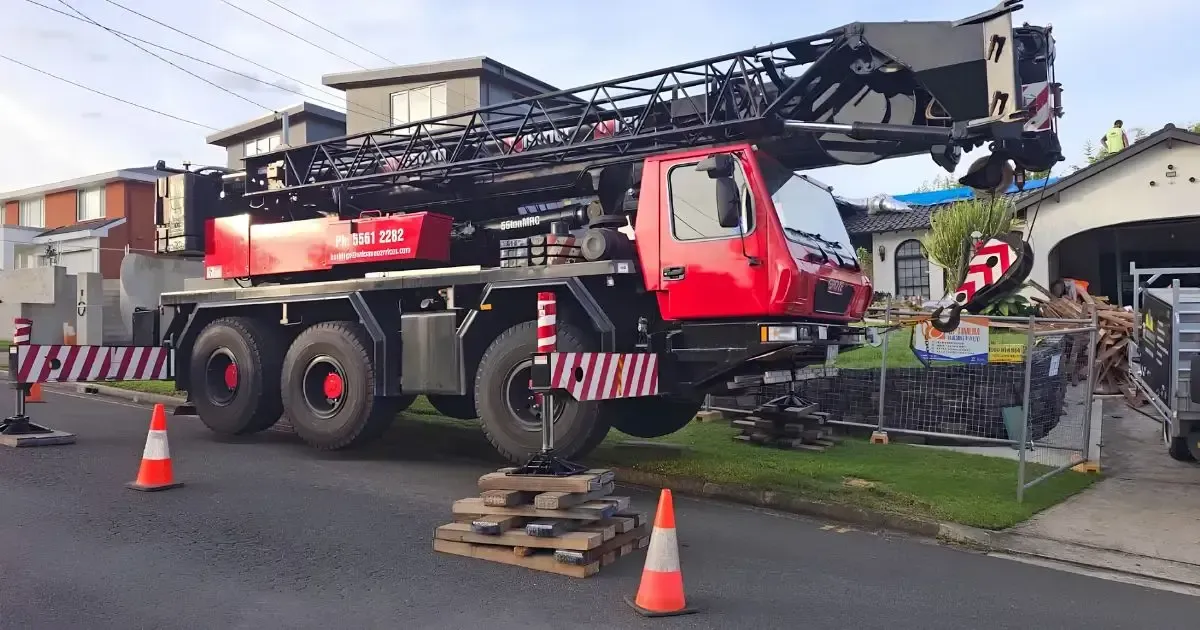
Wet hire includes a crane and operator, while dry hire provides the crane without a supplied operator. The difference affects who arranges the operator, how the hire is priced and which responsibilities need to be confirmed before the lift.
The hire model is only part of the decision. You also need to consider the lifting requirements, site conditions, crane type and total project cost.
Key Takeaways
- Wet hire includes a crane and operator.
- Dry hire provides the crane without a supplied operator, so the hirer arranges the operator separately.
- Dry hire is not automatically cheaper. Compare the complete cost of the lift rather than the crane rate alone.
- The hire model and crane selection are separate decisions.
- Wet hire can suit projects without an available crane operator, while dry hire can suit businesses with suitable operator arrangements.
Wet Hire vs Dry Hire Comparison
The main difference between wet and dry hire is who provides the crane operator.
| Factor | Wet Hire | Dry Hire |
|---|---|---|
| Crane | Supplied | Supplied |
| Operator | Typically supplied with the crane | Arranged by the hirer |
| Operator licensing | Applicable requirements apply to the supplied operator | Hirer must arrange an appropriately licensed and competent operator where required |
| Cost structure | Normally includes an operator component | Crane-only arrangement |
| Operator scheduling | Managed through the crane provider | Managed by the hirer |
| Maintenance | Confirm the hire agreement | Confirm the hire agreement |
| WHS responsibilities | Depend on the parties and work involved | Depend on the parties and work involved |
| Typical use | Projects where a supplied operator is needed | Projects where the hirer already has suitable operator arrangements |
What Is Wet Hire?
Wet hire is a crane-hire arrangement where the crane is supplied with an operator. The crane provider supplies the equipment and operator as part of the agreed hire arrangement.
Wet hire can suit projects where:
- You do not have a suitable crane operator.
- The lift is a one-off project.
- You want the crane and operator arranged through one provider.
- You need an operator for a specific period.
Wet hire does not necessarily include every service required for a lift. Depending on the project, you may also need additional personnel, traffic management, permits or other arrangements.
What Is Dry Hire?
Dry hire provides the crane without a supplied operator, so the hirer arranges the operator separately.
This can suit contractors and businesses that already have access to appropriately licensed and competent crane operators.
Dry hire does not mean anyone can operate the crane. Where an HRWL(High Risk Work Licence) is required, the operator must hold the appropriate licence class and meet the relevant competency requirements.
SafeWork NSW provides the current requirements for crane operators and High Risk Work Licence classes.
Is Wet Hire More Expensive Than Dry Hire?
Wet hire can have a higher hire rate because an operator is included, but dry hire is not automatically cheaper overall.
A contractor with its own appropriately licensed operator may have different costs from a customer who needs to arrange an operator separately.
When comparing quotes, consider the complete cost of the lift, including:
- Crane
- Operator
- Hire duration
- Mobilisation and demobilisation
- Travel
- Overtime
- Waiting time
- Additional personnel
- Other project-specific charges
The best comparison is the total cost of completing the lift, not the crane rate alone.
Crane Operator and NSW Licensing Requirements
Crane licensing in NSW depends on the type and capacity of crane being operated. Where an HRWL is required, the operator must hold the applicable licence class.
For mobile cranes, SafeWork NSW identifies these classes:
| Licence | Crane type |
|---|---|
| CN | Non-slewing mobile crane over 3 tonnes |
| C2 | Slewing mobile crane up to 20 tonnes |
| C6 | Slewing mobile crane up to 60 tonnes |
| C1 | Slewing mobile crane up to 100 tonnes |
| C0 | Slewing mobile crane over 100 tonnes |
Higher slewing-crane licence classes also cover certain lower classes. The exact licensing requirement depends on the crane and how it is being operated.
Licensing is not the same as competency. The operator also needs to be competent and appropriately experienced for the crane and work being performed.
For dry hire, confirm that the operator's licence and competency are appropriate for the crane being hired.
Who Is Responsible During a Mobile Crane Hire?
Work Health and Safety|(WHS|) responsibilities do not automatically transfer to the
crane company or hirer because a wet- or dry-hire agreement is used. Different duty holders can have different responsibilities depending on the work and parties involved.
SafeWork NSW identifies responsibilities for Person Conducting a Business or Undertaking (PCBU), mobile crane suppliers and crane operators. It also states that a WHS duty cannot simply be transferred to another person through a contract or agreement.
PCBU and site management
PCBUs can have responsibilities for preparing and coordinating the workplace and lifting operation.
Depending on the project, this can include:
- Providing information about the planned lift
- Preparing the site
- Coordinating workers and other PCBUs
- Identifying site hazards
- Managing exclusion zones
- Coordinating the lifting operation
Crane supplier
The crane supplier has responsibilities relating to the equipment it provides.
SafeWork NSW states that mobile crane suppliers must ensure only appropriately licensed people operate the crane and that mobile cranes are maintained and inspected by a competent person in accordance with manufacturer requirements.
Crane operator
The crane operator must operate the equipment safely within its operating limitations.
Operators need to understand the crane's operating manual, load chart, rated capacity, configuration and limitations.
They also need to consider site conditions that can affect operation or stability, including overhead powerlines, nearby structures, underground assets and ground conditions.
How Do You Choose
Between Wet Hire and Dry Hire?
Choose the hire model by checking your operator arrangements, defining the lift and comparing the complete hire requirements.
Step 1: Check your operator arrangements
If you already have an appropriately licensed and competent operator, dry hire may be an option.
If you do not have one, wet hire can provide the crane and operator through the same arrangement.
Step 2: Define the lift
Before requesting a quote, establish:
- What is being lifted?
- What is the approximate weight?
- How high does it need to go?
- How far does the crane need to reach?
- Where can the crane be positioned?
- Are there access restrictions?
- Are there known site hazards?
- Are additional lifting personnel required?
Step 3: Confirm the appropriate crane
The crane should be selected according to the lift and site conditions, not simply the hire model.
The crane provider will need information about the load, lifting requirements, access and site conditions to determine a suitable crane.
Step 4: Compare the complete arrangement
Compare the total cost and confirm:
- Crane
- Operator
- Hire duration
- Mobilisation
- Travel
- Overtime
- Waiting time
- Fuel
- Additional personnel
- Insurance and damage terms
- Other project-specific charges
Choosing the Right Crane for the Lift
The appropriate crane depends on the lifting requirements and site conditions.
Load weight and lifting radius
Load weight and lifting radius are key factors when determining crane capacity.
A crane's maximum rated capacity does not mean it can lift that amount at every radius or configuration.
The applicable load chart must be considered together with the crane configuration and operating limitations.
Site access and setup space
Available access and setup space can determine which crane is practical for a site.
Consider entry and exit routes, setup area, working space, nearby structures and overhead obstructions.
Ground conditions and site constraints
Ground conditions need to be suitable for the planned crane operation and configuration.
Soft or unstable ground can affect crane stability. Underground services, overhead powerlines and nearby structures can also create hazards.
Crane type
Different mobile cranes are suited to different lifting environments and site requirements.
- Franna cranes for suitable pick-and-carry applications
- City cranes where manoeuvrability and urban access are important
- All-Terrain cranes for suitable projects requiring greater capacity and reach
The appropriate crane depends on the actual lift, access, ground conditions, required capacity and site layout.
What Should Be Included in a Crane Hire Quote?
A
crane hire quote should clearly identify the equipment, operator arrangements, hire period and additional charges that apply.
| Quote item | What to confirm |
|---|---|
| Crane | Type and capacity |
| Operator | Whether an operator is included |
| Hire period | Minimum hours and scheduled duration |
| Mobilisation | Whether mobilisation is included |
| Travel | Applicable travel charges |
| Overtime | Rates and conditions |
| Waiting time | How delays are charged |
| Fuel | Whether it is included |
| Additional personnel | Dogger, rigger or other crew if required |
| Site requirements | Access and setup conditions |
| Terms | Applicable hire terms and conditions |
When requesting a quote, provide:
- What is being lifted
- Approximate load weight
- Site location
- Required lifting height
- Approximate lifting radius
- Site access information
- Preferred date
- Expected duration
- Known site restrictions
.
Common Wet Hire vs Dry Hire Misconceptions
Dry hire is always cheaper
Not necessarily. A lower crane-only rate does not automatically mean a lower total project cost.
Wet hire means the crane company handles everything
No. Other parties can still have WHS, site management and coordination responsibilities.
Anyone can operate a dry-hire crane
No. Where an HRWL is required, the operator must hold the appropriate licence class and meet the relevant competency requirements.
The hire model determines which crane you need
No. Crane selection depends on the lifting requirements and site conditions.
Frequently Asked Questions
What is the difference between wet hire and dry hire?
Wet hire normally includes a crane and operator, while dry hire provides the crane without a supplied operator.
Is dry hire cheaper than wet hire?
Not necessarily. Compare the complete project cost, including the operator and other applicable charges.
Do I need a licence to operate a dry-hire crane in NSW?
Where the crane operation requires an HRWL, the operator must hold the appropriate licence class. The applicable class depends on the crane and its capacity.
Does wet hire mean the crane company is responsible for everything?
No. Different duty holders can have different WHS responsibilities.
What information should I provide when requesting a crane quote?
Provide the load, location, lifting height, approximate radius, access conditions, preferred date and expected duration. Site photos or plans can also help.
Get a Crane Hire Quote for Your Project
The right hire arrangement starts with the details of the lift.
Provide the load information, site location, lifting requirements, access conditions, preferred date and expected duration.
At BIGLIFT CRANES, we provide
mobile crane hire across Sydney
for construction, machinery placement, heavy lifting and specialised lifting projects.
Need help choosing between wet and dry hire?
Contact BIGLIFT CRANES with your project details and request a crane hire quote.